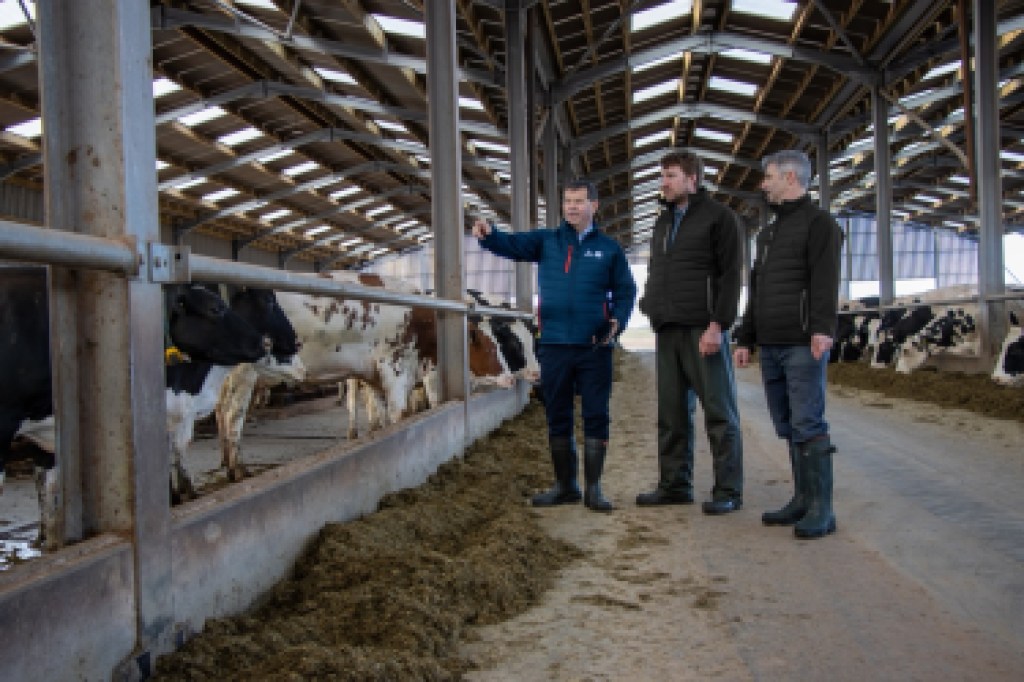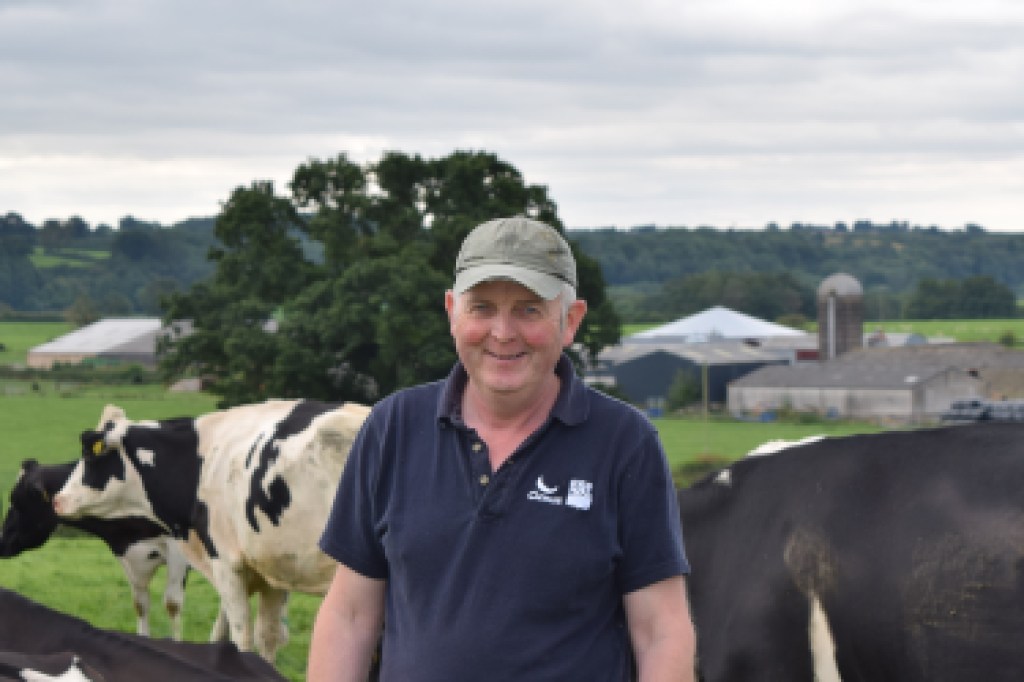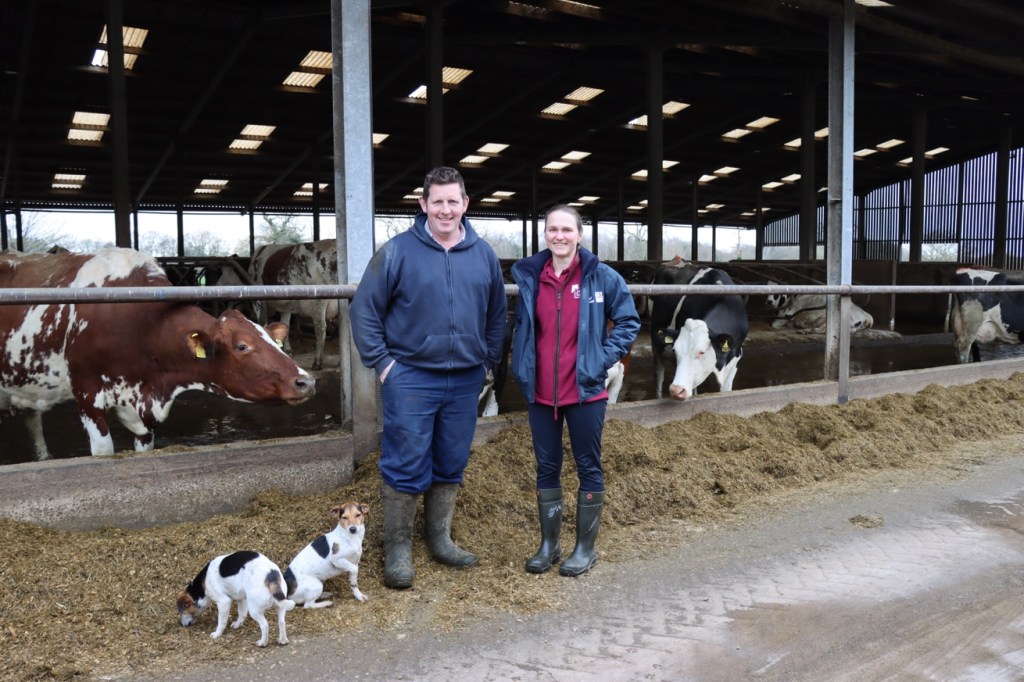
A clear breeding strategy, long-term genetics partnership and a strong focus on fertility are helping one 450-cow Cheshire herd improve performance while keeping the system efficient and profitable.
Based near Middlewich, PJ Williams & Partners run an all-year-round calving herd supplying Müller, currently averaging 9,500 litres at 4.4% fat and 3.6% protein.
The farm operates a 60/40 breeding split to beef and dairy, ensuring they produce enough replacement heifers while extracting maximum value from their beef cross calves.
Having worked with Genus ABS for over 40 years, including more than a decade with breeding advisor Trevor Stapelton, the farm has built a breeding strategy that continues to evolve with the system.
Farm facts
- Location: Middlewich, Cheshire
- Herd size: 450 cows
- Calving pattern: All-year-round
- Milk contract: Müller
- Average yield: 9,500 litres
- Milk solids: 4.4% fat, 3.6% protein
- Breeding split: 60% beef / 40% dairy
A breeding strategy that adapts with the system
The farm’s genetics strategy has changed over time to match system priorities.
Around eight years ago, the herd moved to a three-way crossbreeding programme using Norwegian Red, Montbéliarde and Holstein to improve strength and longevity.
However, more recently, the move to all-year-round housing has shifted their focus back towards Holstein genetics to drive higher milk production.
Increasing yield remains a key objective, particularly as the business evaluates the longer-term possibility of installing robotic milking systems, which will also require greater use of robot-suitable Holstein sires.
Strong gains in reproductive performance
Fertility has been a major area of progress on the farm.
The business has been using the Genus ABS Reproductive Management System (RMS) for around 11 years, helping bring greater structure and consistency to breeding.
Previously, the family felt they were successful in getting their cows in calf, but not always able to keep up with the demand of reproduction across the whole herd.
Since adopting RMS, performance has improved significantly.
Historically, pregnancy rate was around 16%. Today, 12-month figures show:
- Pregnancy rate: 31%
- Conception rate: 48%
- Insemination rate: 67%
Maximising value with sexed and beef genetics
Sexed semen plays a key role in producing high-quality replacements, with the herd using Sexcel® dairy semen for around seven years.
Lower performing animals that are not suitable for breeding replacements are used to generate additional value through beef genetics.
- Sexcel Male Beef is used on first- and second-lactation cows that are not genetically suitable for breeding replacements.
- The remaining animals are then served to NuEra conventional beef genetics.
Sexcel Male Beef continues to have successful results across the herd. “It seems to be working well in terms on conception rates and getting male calves, and we haven’t had any problems with calving ease, they pretty much calve themselves.”
Added security through Gamechanger
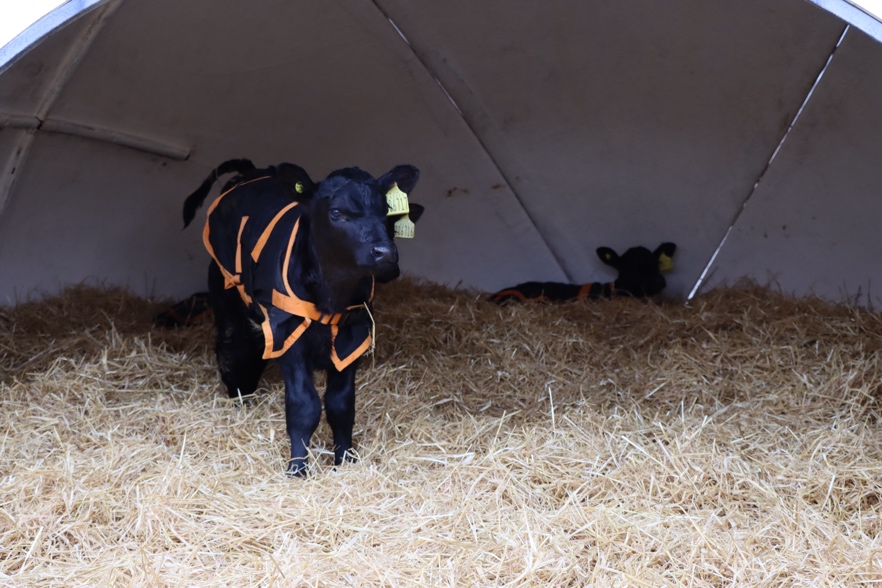
The herd has also been part of the Gamechanger programme for over three years.
Previously, calves were sold via local markets. Now, the farm benefits from:
- A guaranteed outlet
- A fixed, known price
- Greater confidence in cashflow
“With Gamechanger we know what the calves are worth and that they’ll be taken, which takes a lot of the risk out and makes cashflow more predictable.”
Consistent conception across all semen types
Over the past 12 months, conception rates have remained strong across all breeding strategies.
First service conception rates:
- Sexed beef: 46%
- Conventional beef: 47%
- Sexed dairy: 41%
The farm notes there is currently around a 1% difference in conception rate between Sexcel Male Beef and conventional NuEra beef semen, reflecting how well their breeding strategy is working in practice.
With a clear plan and the right genetics support, they are building a herd that is both productive and future-ready.
Ready to improve your herds performance?
Join the farms building stronger, more consistent herds through smarter breeding.
Speak to your local Genus ABS breeding advisor today.