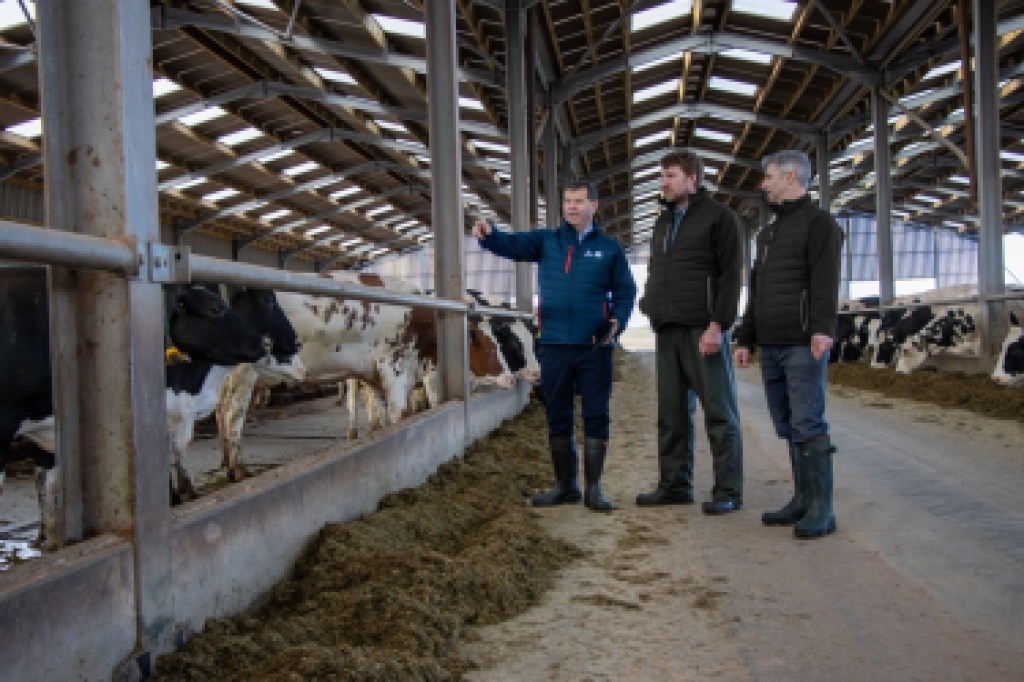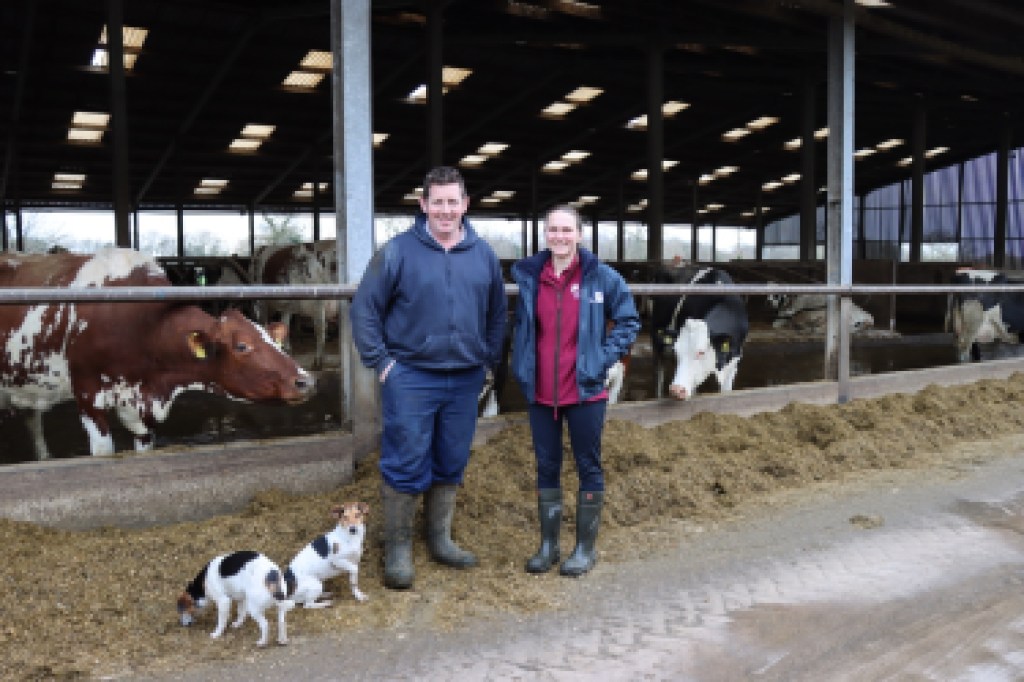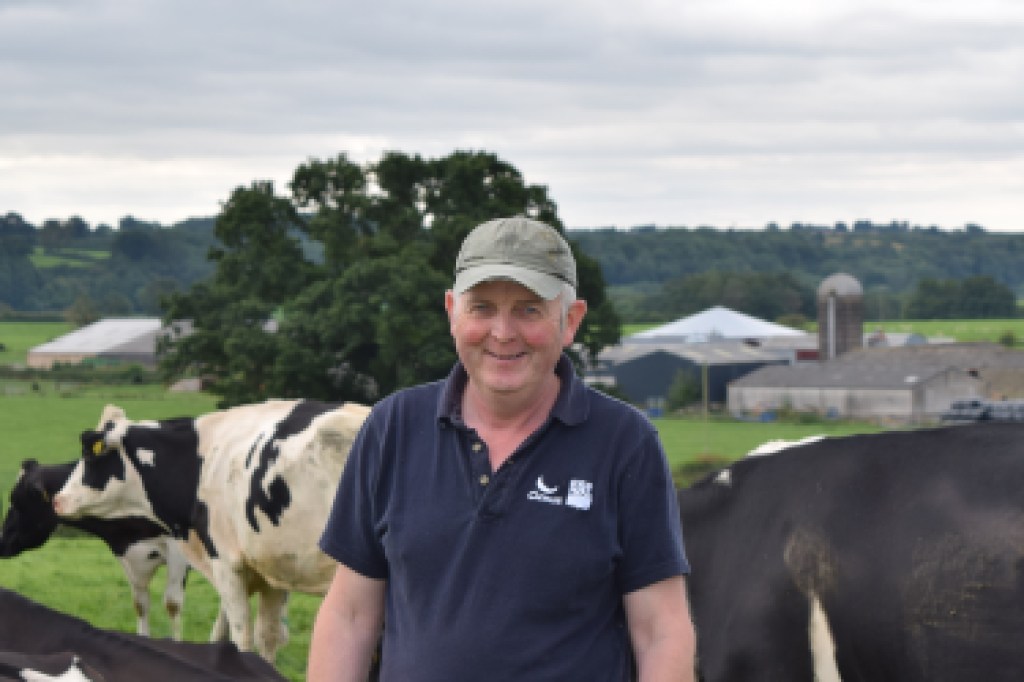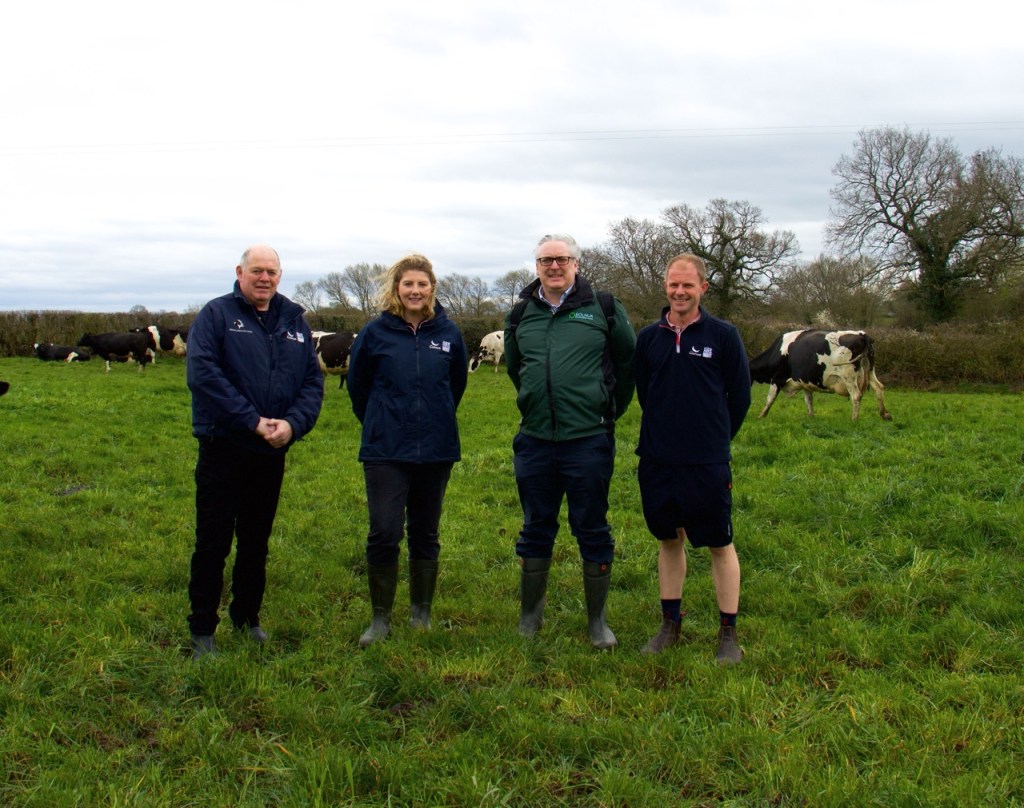
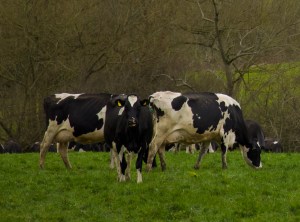
Based in Cheshire, Pete Goodwin and his brothers, Phil and Joe, manage an 1,100 cow dairy farm across three sites.
The farm originally milked a herd of Holstein-Friesian cows all-year-round. Between 2010-2012 the Goodwin family established a spring and autumn calving herd, operating two four-month calving blocks. In 2013, the opportunity arose to take on a neighbouring farm, which became the dedicated spring-calving unit and enabled the herd to double in size. With ambitions to continue expanding the farm, the family spent 2014-2015 actively searching for another unit. In 2016, they took on an additional farm, which allowed them to double cow numbers to around 900.
Since then, the business has continued to develop and grow, increasing herd size to 1,100 over the last four years while maintaining its focus on a successful grazing-based system.
Introducing Grassland Genetics
When moving from all-year-round to block-calving, Pete, Phil and Joe decided to buy cows in that would be better suited to a grass-based system. “When we first took this unit on, we bought cows in, including Jerseys, Flekviehs, anything that would fill the tank.” says Pete. “We couldn’t get the actual animal that we wanted straight away”.
With this in mind, the farm looked to introduce genetics that would help to produce the ideal cow to suit their system and breeding goals. Initially, they began using New Zealand genetics, however, they found that the cows coming through were too small.
Having gained insight into Irish genetics through discussion groups, Pete joined a field trip to Ireland. Seeing first-hand how Irish grazing herds were delivering strong performance in similar systems, gave Pete, Phil and Joe the confidence to begin using Solnua genetics on their own farm.
Why Solnua?
Solnua runs the world’s largest Irish grass based genomic breeding programme. Through Genus ABS, farmers in Great Britain have the opportunity to incorporate Solnua genetics into their breeding strategy.
Solnua takes a systems approach, recognising each farm’s specific goals and focusing on delivering genetics to match. The Goodwin family’s system is typical of a Solnua System 2. They operate a grazing-based system supported by parlour feeding or partial TMR, aiming to produce 500 kgs of Fat and Protein per cow from an average of 6,000 litres of milk per lactation, with an average mature cow weight of 550 kgs, while maintaining a 365-day calving interval.
Pete works with his Genus ABS Breeding Advisor, Katie Ellis to select sires that align with the farm’s system and breeding goals. Last autumn, they used a team of five Solnua System 2 and 3 bulls, including Lucky, Linesman and Mojo. This team has an average EBI of €216, a Milk Sub-Index of €84 and a Fertility Sub-Index of €83, with high component figures of 23kgs, helping to drive milk solids. The team of bulls also has an average Maintenance Sub-Index of €11, which should produce mature cows weighing ≈ 564kgs.
In the previous autumn, sires such as Teak and Grandslam formed part of their bull team and both of these bulls are now daughter-proven.
Results on the ground and in the tank:
Introducing Solnua genetics has resulted in a more uniform and consistent herd, which helps to simplify management and improve efficiency. “We ran with the same Solnua bulls for two years to try and get herd uniformity – and this did work quickly.” says Pete.
Cows in the autumn block herd have an average mature cow weight of 610kgs. Aiming to get the right size cow for their system, Pete weighed 20 cows in their 3rd lactation or above that worked best for them. They then used the maintenance sub-index to hold that size.
Milk quality is extremely important as all three sites are on solids contracts. Pete comments:
“Since using Solnua, Fat and Protein on a daily basis in the bulk tank has increased and cell count has dropped. I’d recommend Solnua genetics to other farmers on similar contracts.”
Results in the autumn:
Average milk yield: 6800 L
Milk solids 582 kgs / cow at 4.76% Fat and 3.81% Protein
Results in the spring:
Average milk yield: 5800 L
Milk solids 506 kgs / cow at 4.91% Fat and 3.83% Protein
In May, somatic cell counts were impressively low, at 141 in their spring calving herd and 88 in their autumn calving herd.
Maximising Fertility with Strategic Breeding
Previously, the farm ran a dairy stock bull with their maiden heifers, limiting genetic progress to the capability of a single sire. The introduction of a synchronised AI programme and sexed genetics has given the farm access to a much wider portfolio of sires, enabling more targeted trait selection and accelerated genetic gain. Sexed genetics are also used on the farm’s best cows, while the remainder of the herd is bred to NuEra Angus sires. Pete highlighted the improvement in beef calf quality since switching to Solnua, which is important as the calves are sold at auction, providing an additional source of revenue.
With Reproductive Management Systems (RMS®) in place at one of the sites, the farm has access to a specialist team that manages reproduction, including heat detection and data-analysis. Previously, the farm managed heat detection and used an AI service. However, now that they use RMS, Pete has found that this has taken the pressure off their own farm team.
Fertility results with RMS
Conception Rate:
1st Lactation – 230 cows – 63.6%
2nd Lactation – 137 cows – 67.3%
3rd + Lactation – 56.6%
Preg Rate: 33%
Insemination Rate: 76%