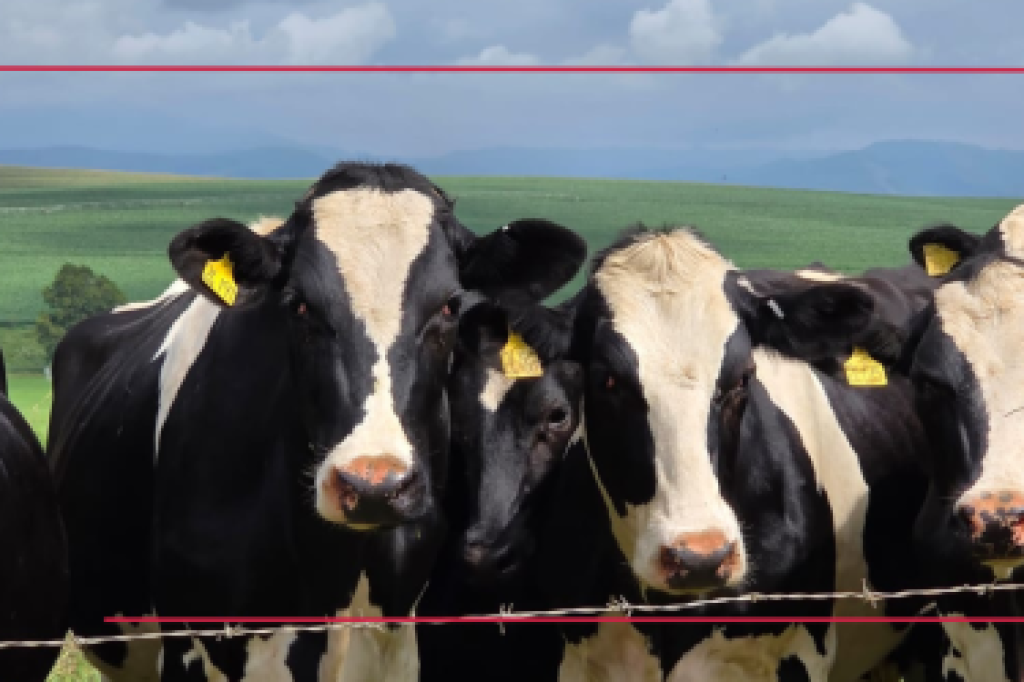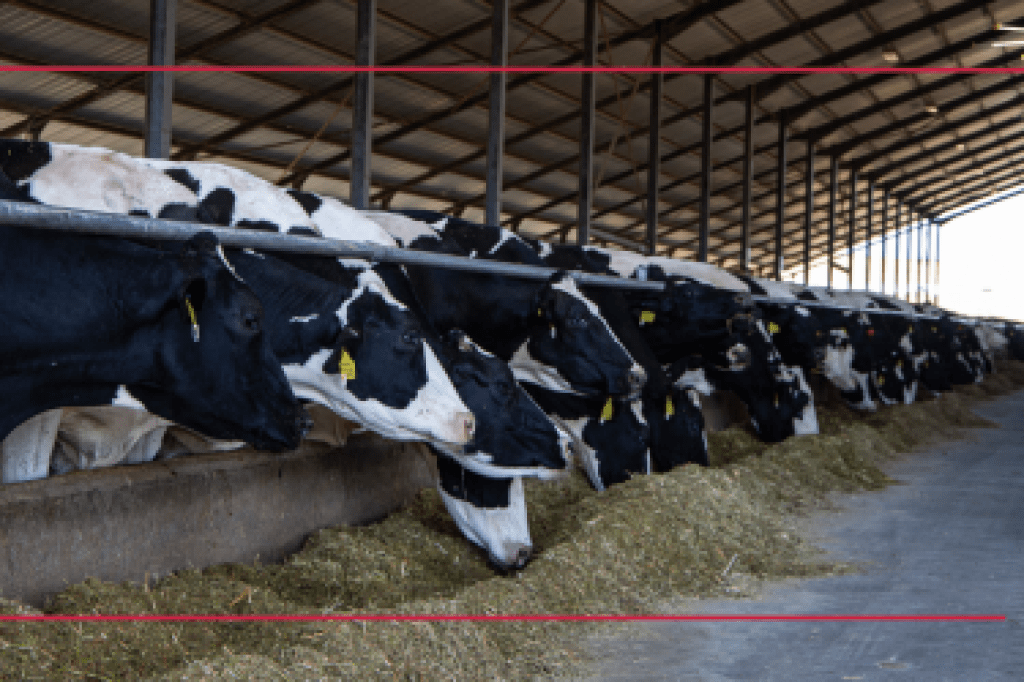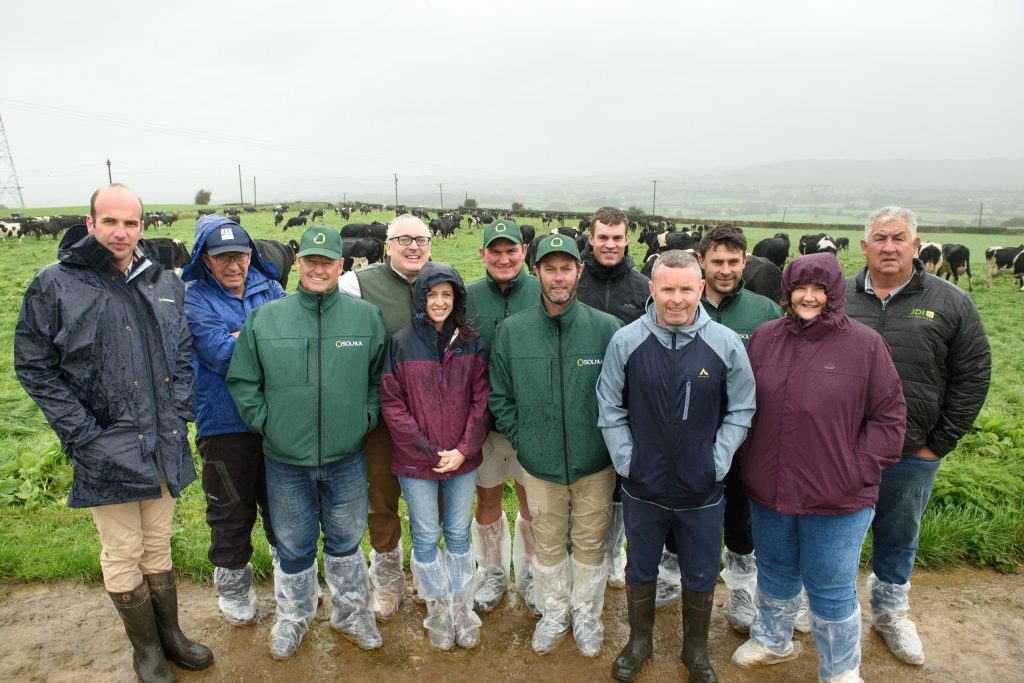
Every breeding decision contributes to the future of a herd. The genetics selected today can influence fertility, efficiency, profitability and performance for generations.
With that long-term impact in mind, we recently accompanied a group of South African dairy farmers on a study tour to Solnua. The purpose was to experience the farms, research and collaboration behind Solnua Irish genetics, and to meet the people helping translate data into confident breeding decisions.
For many of the farmers, the visit was an opportunity to look beyond individual bulls and gain a clearer understanding of the complete breeding programme supporting the genetics they are introducing into their herds.
Seeing the Bigger Picture Behind Irish Genetics
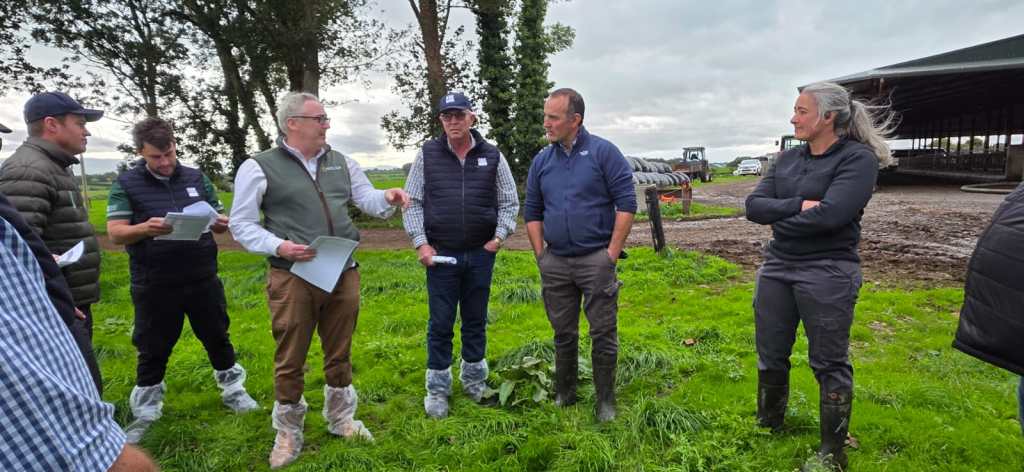
Throughout the tour, we met farmers, geneticists, researchers and industry leaders who contribute to Ireland’s national breeding programme. We explored how performance recording, research, genomic testing and collaboration help drive genetic progress across the country.
For South African dairy farmers Ross Stratford and Clive Stratford, from KwaZulu-Natal, the most striking aspect was Ireland’s long-term and coordinated approach:
“They treated genetic improvement as free, permanent, compounding infrastructure, and then actually built the machinery to capture that compounding at a whole-country scale.”
They highlighted the contribution of the Irish Cattle Breeding Federation in recording and validating national herd data, the research undertaken by Teagasc, and the widespread adoption of a shared breeding index by Irish farmers.
What also stood out to our ABS sales team was the level of collaboration across the industry. As ABS KZN Consultant Kirstin McCabe reflected, the tour showcased an industry that has worked together over many years to build something truly impressive. The result is a national breeding programme producing profitable, productive cows that consistently thrive on pasture.
Seeing how these different parts of the industry work together gave our group a much broader view of the programme behind the genetics. The conversation was not simply about selecting individual sires. It was about making informed breeding decisions supported by reliable data, commercial performance and a clear long-term objective.
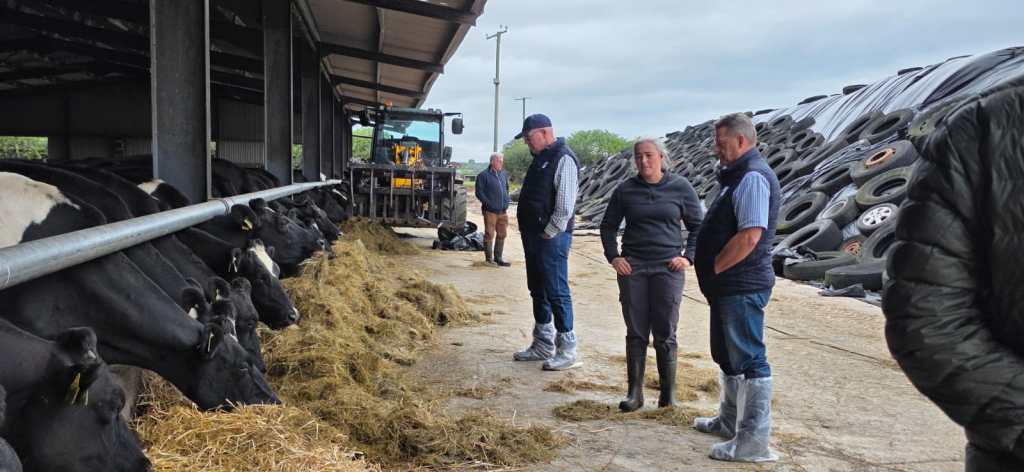
Experiencing Genetics on Commercial Farms
The best way to understand a breeding programme is to see its results in real farming environments.
During the tour, our group visited dairy businesses operating at different scales and under different management systems. Despite these differences, the farms shared clear breeding goals and a strong focus on fertility, efficiency, functionality and profitable milk production.
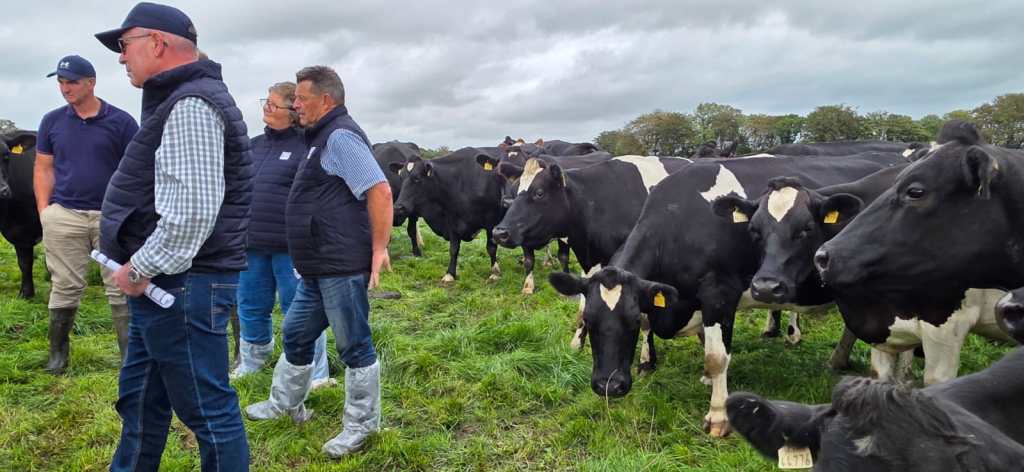
The quality and consistency of the cattle made a strong impression on Craig Orpwood from Fairhaven Dairy in KwaZulu-Natal:
“What surprised me most was the quality of the cows and how well run and efficient the farms were, no matter the size.”
For Craig Orpwood, seeing the cattle also demonstrated the potential commercial value of improving the genetic quality of his own herd. He reflected that achieving a similar genetic level could have a significant effect on farm profitability.
Ross Stratford and Clive Stratford were similarly impressed by the uniformity of the herds, their health, production and, most importantly, fertility. Speaking directly with farmers helped connect the genetics with the profitability achieved in commercial systems.
For Kirstin McCabe, one of the defining impressions of the tour was seeing cows perform naturally and effortlessly within pasture-based systems:
“Producing well, getting back in calf effortlessly, and looking good while doing it. Isn’t that what we all want at the end of the day? Happy, healthy, productive cows?”
She noted that what impressed her most was not the performance of one or two standout animals, but entire herds demonstrating those qualities consistently from farm to farm throughout the tour.
ABS KZN Consultant Denton Knight was equally impressed by the commercial functionality of the cattle:
“Pasture-based animals, strength, capacity and animals that put milk in the tank and money in the bank, driving strong profitability.”
These visits reinforced a key point for us all: genetics create value when they are aligned with the farm’s environment, management system and long-term objectives.
Fertility at the Centre of the Conversation
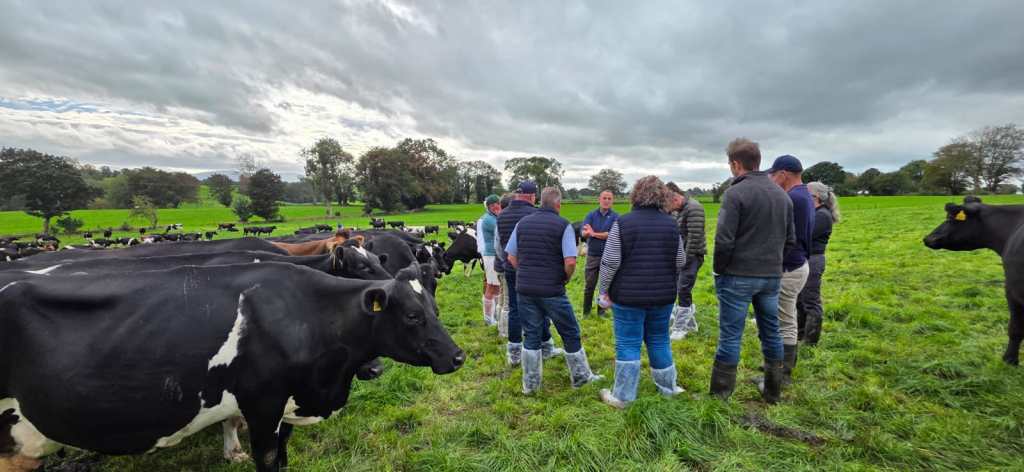
Fertility was one of the strongest recurring themes throughout the week.
Eric Lombard, from Little Fields Boerdery in Eastern Cape, saw clear relevance for his own herd:
“By using Irish genetics, I can breed a cow that is fertile, has walking ability and grazing capability, and all of that is genomically tested.”
The tour strengthened his view that the ideal cow must suit the individual farm. As he explained, each farm will ultimately determine the size and type of cow it requires, provided the farmer remains focused on clearly defined breeding parameters.
Freddie van Zyl from Bracklyn & Prospect Dairy Farms, in Eastern Cape, also left with a clear conclusion:
“Fertility is just as important, if not more important, than milk production.”
For him, the visit confirmed the value of Irish genetics and increased his understanding of how the Economic Breeding Index (EBI) is determined for each animal.
Rather than viewing fertility and production as competing priorities, the discussions showed how fertility can contribute to the efficiency and productivity of the entire herd. Ross Stratford and Clive Stratford identified using fertility as a tool to increase milk production as one of the practical ideas they would take home.
Denton Knight observed that the importance of fertility became impossible to ignore when seeing herd after herd of productive, trouble-free cows in commercial environments:
“The importance of fertility was undeniably obvious while seeing working, happy cows on every farm. Production, getting in calf easily and profitable cows.”
The consistency of this message across farmers, researchers and industry professionals reinforced the role fertility plays in building sustainable and profitable dairy businesses.
Research Grounded in Farming Reality
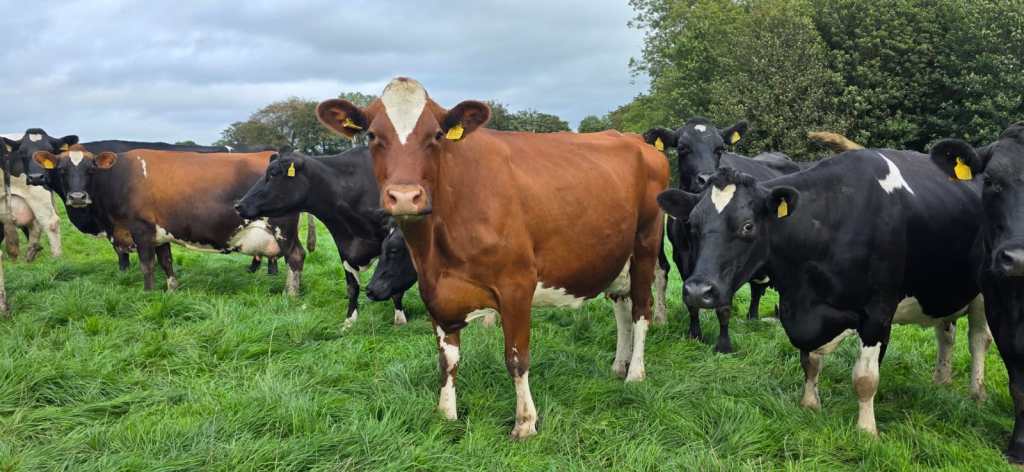
Our visits to Ireland’s research facilities gave the group a closer look at how scientific knowledge is translated into practical breeding strategies.
The discussions covered genomics, performance recording, EBI and the use of commercial farm data to support genetic improvement. The value of this system was especially clear to Eric Lombard, who highlighted the extensive use of genomic testing as an important source of confidence in Irish genetics.
Craig Orpwood was impressed by the years of research behind Irish genetics, together with the knowledge and passion shown by Solnua in pursuing high genetic standards. His experience also prompted a wider reflection on how breeding decisions are made:
“People do not talk enough about breeding and fertility or realise how important they are.”
He returned home with a renewed understanding of the importance of setting a deliberate genetic direction, rather than simply following the breeding trends of the moment.
For Ross Stratford and Clive Stratford, engaging directly with geneticists, researchers, farmers and other industry participants was a game-changing part of the visit. Understanding how EBI was developed and how it can be applied to breeding decisions gave them a clearer framework for pursuing positive outcomes in their own herd.
Turning the Experience into Action
The tour provided more than an opportunity to observe Irish farming. It encouraged each participant to consider what the experience could mean for their own breeding strategy.
The farmers returned with several practical priorities:
- Place greater emphasis on fertility when setting breeding objectives.
- Select the size and type of cow that best suits the farm’s production system.
- Use genomic information and breeding indexes more deliberately.
- Evaluate genetics in terms of long-term herd profitability.
- Establish consistent breeding parameters rather than following short-term trends.
These insights will not produce identical decisions on every farm. Instead, they give each farmer a stronger evidence base for selecting genetics that fit their own herd, environment and business goals.
Bringing the Solnua Story Home to South Africa
By the end of the visit, we had gained a deeper understanding of the people, research, data and collaboration behind Solnua genetics.
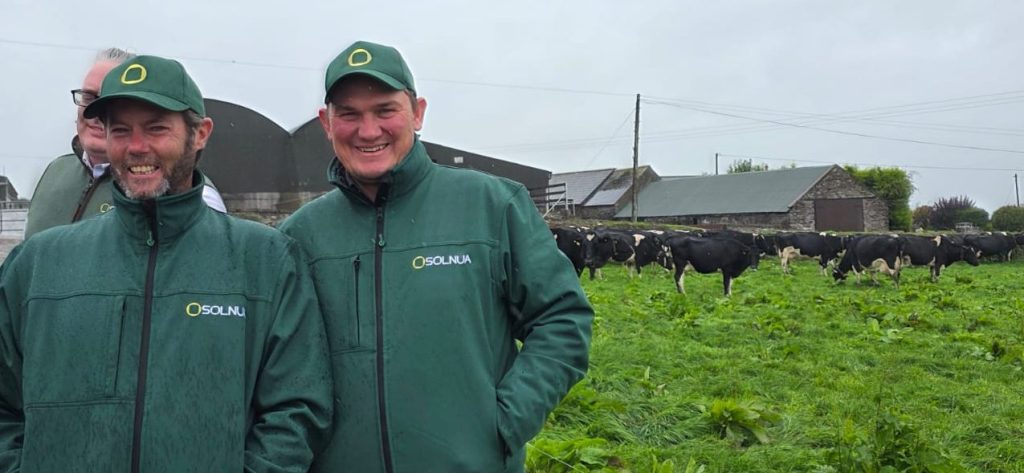
We saw how Ireland’s breeding programme has been developed through long-term commitment and how genetic progress is demonstrated in commercial herds. Most importantly, we heard directly from South African farmers and ABS team members about how the experience had changed or reinforced their thinking around fertility, cow type, genomics and profitability.
Perhaps the strongest takeaway came from seeing what profitable performance on pasture looks like in practice: healthy, fertile cows producing efficiently, returning to calf easily and delivering long-term value to the farmer. More importantly, these qualities were not isolated to a handful of exceptional animals. They were evident in herd after herd across the country.
We would like to thank Solnua, the participating farmers, researchers and industry partners who shared their knowledge and welcomed our group throughout the tour.
The experience reminded us that confident breeding decisions do not come from genetics alone. They come from defining the right breeding objectives, using reliable information and understanding how each decision contributes to the future of the herd.
Read more from the Solnua perspective.