Publish date: 1.20.26
Mastitis remains one of the most costly and frustrating challenges on dairy farms, affecting milk quality, cow comfort, and overall profitability. While most producers focus heavily on treating cases as they arise, long-term success depends on preventing mastitis before it starts. That requires more than products alone; it requires asking the right questions.
In an article originally published in Progressive Dairy, we present a decision tree to help you evaluate whether you are simply reacting to mastitis or truly working toward prevention. By walking through a series of structured questions, dairies can identify gaps in protocols, compliance, and overall udder health management.
Control Versus Prevention
The first step in mastitis management is understanding whether your herd is in a control mode or a prevention mindset. When mastitis cases are frequent, the focus often shifts to treatment and short-term fixes. While controlling outbreaks is necessary, it does not address the root causes that allow mastitis to persist.
The decision tree begins by asking whether mastitis is currently impacting the herd. Metrics such as somatic cell count trends, hospital pen numbers, and the percentage of cows treated for mastitis provide a clear picture of where the herd stands. Ideally, mastitis should represent less than 2% of hospital pen cases, signaling that infections are being minimized rather than managed after the fact.
Once mastitis presence is established, the decision tree can guide you through a series of targeted questions designed to uncover risk factors and opportunities for improvement.
Understanding the Type of Mastitis Present
Not all mastitis is the same. Identifying whether infections are environmental or contagious is critical for selecting the right prevention strategy. Testing milk samples from the bulk tank or hospital pen and working with a veterinarian or udder health specialist allows producers to move beyond blanket approaches and focus on targeted solutions.
Evaluating Udder Care Products and Protocols
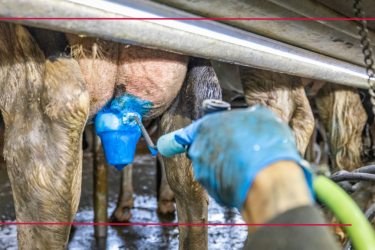
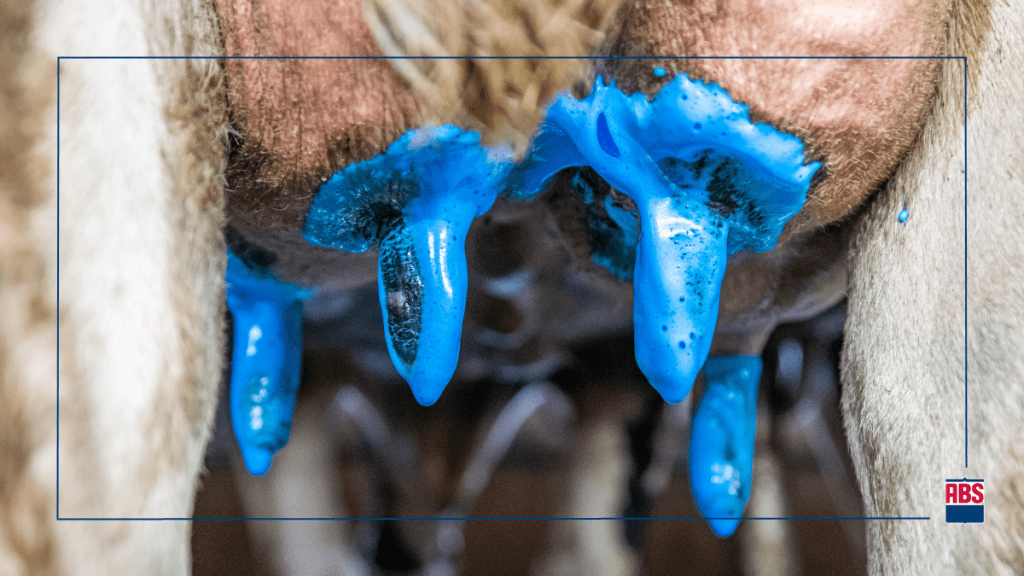
Products alone do not prevent mastitis. Proper selection, consistent application, and routine evaluation of udder care protocols play a major role in teat health and infection prevention. Review whether current products match the herd’s needs and whether protocols are clearly defined and followed.
Assessing Compliance and Training
One of the most common breakdowns in mastitis prevention is inconsistency. Even well-designed protocols fail if they are not followed correctly every time. Don’t disregard the importance of employee training, routine protocol reviews, and accountability to ensure consistency across all shifts.
Reviewing Milking Procedures and Environment
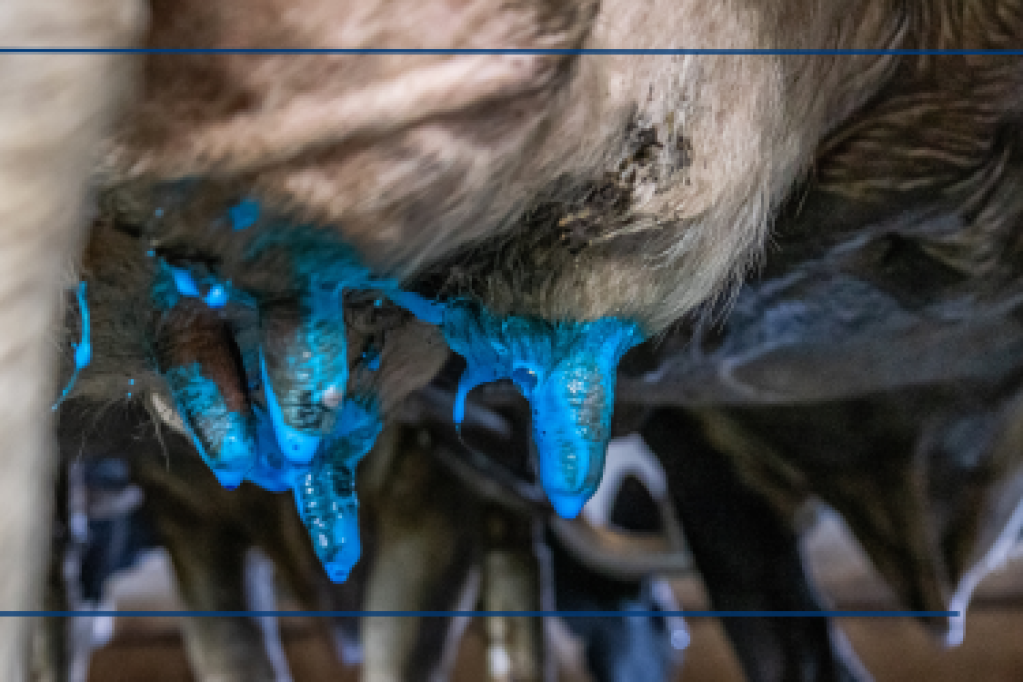
Milking routines, hygiene, cow flow, and housing conditions (avoid the winter teat scaries!) all influence udder health. Regular audits of milking procedures and environmental cleanliness help identify stressors or contamination risks that can increase mastitis incidence.
Moving From Reaction to Prevention
After immediate mastitis challenges are under control, we can shift the focus to long-term prevention. This includes routinely reviewing protocols, monitoring teat condition, and proactively addressing risks before they become problems. Many mastitis flare-ups can be traced back to either missing protocols or lack of compliance, rather than product failure.
Working with an udder health specialist can provide an outside perspective on procedures, equipment, and management practices that may be limiting progress.
Our Take on Mastitis Prevention
Mastitis prevention is not a single decision; it’s a continuous process of evaluation, consistency, and improvement. A decision tree approach helps simplify complex management decisions by guiding producers to ask the right questions at the right time.
When dairies move beyond reacting to mastitis and commit to prevention-focused management, the results show up in lower SCC, healthier cows, improved milk quality, and stronger profitability.
Learn more about udder care health by reading our article originally published in Progressive Dairy.